The Thrill of the Hunt: Delta Force's Addictive Gameplay

In the world of tactical shooters, few experiences match the adrenaline rush that Delta Force delivers. We've spent countless hours immersed in this high-stakes battlefield, and the addiction is real. This article explores what makes Delta Force's gameplay loop so compelling that players keep coming back for more.
The Perfect Predator Moment
One of the best feelings in Delta Force is having the enemy squad exactly where you want them. That moment of perfect tactical advantage—when we've maneuvered into position, tracked our targets, and are ready to strike—creates a sensation unmatched in other gaming experiences. The anticipation builds as we line up our shots, knowing the enemy remains blissfully unaware of the impending ambush.
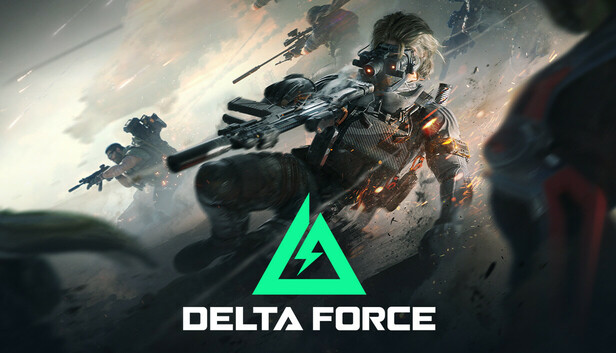
The Humbling Reversal
On the flip side, one of the worst feelings in Delta Force is getting smacked right in the face by the unexpected. Our carefully laid plans can dissolve in seconds when another team outmaneuvers us or when we miscalculate a situation. These moments, though frustrating, contribute significantly to the game's appeal—the constant tension between being the hunter and becoming the hunted keeps every match fresh and unpredictable.
The Eternal Search
We must acknowledge that a substantial portion of gameplay in Delta Force involves actively searching for engagement. Half of our time is literally just looking for other players to fight. This pursuit phase is not merely downtime but an integral part of the experience—the stalking, tracking, and positioning that precedes combat. The anticipation builds tension that makes the eventual firefight all the more satisfying.

Beyond the Loot
While discovering high-tier equipment provides its own satisfaction—occasionally we find some sick loot—this represents merely a secondary reward. The cherry on top, as it were. The primary motivation, the core addiction, stems from the combat itself. The real thrill comes from completely annihilating opponents with our arsenal, claiming their hard-earned gear, and successfully extracting to preserve our victories.
The Unpredictable Nature
Delta Force's unpredictability forms the cornerstone of its addictive quality. No two engagements unfold identically. Sometimes we execute flawless operations; other times, unexpected circumstances force rapid adaptation. This constant variation prevents the gameplay loop from growing stale, ensuring each session offers new challenges and memorable moments.
In the following chapters, we'll delve deeper into specific tactical approaches that enhance this addictive gameplay loop, beginning with the strategic use of operator abilities like Hat Claw for tracking enemies. The psychological cat-and-mouse dynamic that defines Delta Force's most intense encounters deserves thorough examination, as it represents the emotional core of what keeps us returning to this battlefield time and again.
Tactical Operator Abilities: Using Hat Claw to Track Enemies
In our exploration of Delta Force's tactical depth, we must examine one of the most strategically valuable operator abilities in the game: Hat Claw. This specialized reconnaissance tool transforms the information game and creates opportunities for coordinated team operations that can decisively shift the balance of power during engagements.
The Technical Edge of Hat Claw
Hat Claw represents one of the most sophisticated tactical advantages available to operators in Delta Force. This ability centers around a computer tablet interface that provides real-time intelligence on enemy proximity. When activated, the system scans the surrounding area and displays the number of hostile operators within its detection radius. We've found this information to be invaluable during the critical approach phase of operations, allowing for informed decision-making before visual contact occurs.
Understanding Detection Parameters
The effective range of Hat Claw appears to be approximately 50 meters, though this can vary depending on environmental factors and terrain features. This detection radius creates a tactical bubble around the operator, transforming unknown territory into a quantifiable threat assessment. When the system reports "No enemy operators nearby," we can proceed with greater confidence, knowing that immediate threats are absent. Conversely, when enemies register on the system, we can adjust our approach accordingly.
Tactical Application in Building Approaches
Hat Claw proves particularly valuable when approaching structures like the Administration building. The ability to confirm enemy presence before visual contact provides critical seconds for tactical positioning. We've observed that open doors and other environmental cues take on new significance when paired with Hat Claw intelligence. An open doorway might indicate recent enemy movement, but without Hat Claw confirmation, the timing and direction of that movement remain uncertain.
Coordinated Team Implementation
The true power of Hat Claw emerges when integrated into team strategy. When our point operator runs Hat Claw, the entire squad benefits from enhanced situational awareness. This creates opportunities for synchronized movements where team members can "creep" into position while the Hat Claw operator monitors threat levels. The information gathered becomes a shared tactical resource, allowing for more precise execution of ambushes or strategic withdrawals.
Limitations and Countermeasures
Despite its advantages, Hat Claw is not without limitations. The system only provides numerical data, not directional information or exact positions. This means we must still rely on traditional reconnaissance techniques to pinpoint enemy locations once their presence is confirmed. Additionally, savvy opponents may anticipate Hat Claw usage and deliberately position themselves just beyond its detection range, creating false security that can lead to ambush situations.
Integration with Environmental Intelligence
The most effective Hat Claw operators combine the ability's technological intelligence with environmental cues. When the system indicates no nearby enemies but a door stands conspicuously open, this contradiction demands careful assessment. We've learned to treat such situations with heightened caution, recognizing that enemies may have recently moved beyond the detection radius or that other teams might be operating in the vicinity.
In the tactical ecosystem of Delta Force, Hat Claw represents just one component of successful tracking strategy. As we'll explore in the next chapter, the psychological elements of the hunter-prey dynamic build upon these technical advantages, creating the tense cat-and-mouse gameplay that defines Delta Force's most memorable encounters.
The Cat and Mouse Game: Stalking Your Prey
In the tactical landscape of Delta Force, the psychological warfare between operators often transcends mere gunplay. We've discovered that mastering the art of stalking is what separates elite operators from average players. This chapter examines the nuanced cat-and-mouse dynamic that forms the emotional core of Delta Force's most intense encounters.
The Psychological Battlefield
The hunt in Delta Force extends beyond physical terrain into psychological territory. When tracking enemies, we're not merely following footprints but engaging in a mental chess match. Each decision—when to move, when to hold position, when to make noise—becomes part of an intricate dance of predator and prey. The confusion that arises during these moments ("Okay. So they ran through here, but where did they go?") is not a failure but rather an inherent part of the tracking process that builds tension and engagement.
Reading Environmental Storytelling
Successful stalking requires interpreting the subtle environmental narratives left behind by enemy operators. An abandoned backpack, an open door, distant gunshots—these elements compose a story that attentive players can read. We've learned to piece together these clues to reconstruct enemy movements and intentions. When we hear gunfire near a high-value location like the barracks, this information combines with previous movement patterns to suggest probable enemy objectives.
The Patience Principle
Perhaps the most challenging aspect of the stalking game is maintaining patience when uncertainty peaks. The temptation to rush forward or abandon a promising position often leads to tactical failure. Instead, disciplined operators understand the value of strategic waiting. As one experienced player noted, "I think I'm just gonna wait," demonstrating the restraint that often precedes successful ambushes. This patience creates pressure on opponents who must eventually move, often into compromising positions.
Distinguishing Threats in Complex Environments
One of the most challenging aspects of stalking in Delta Force is threat discrimination—separating actual player operators from AI combatants. The momentary confusion ("That's a f***ing AI, dude") represents a critical decision point where misidentification can lead to wasted resources or dangerous exposure. We've found that experienced hunters develop an intuition for distinguishing player movement patterns from AI behavior, allowing for more efficient resource allocation during extended stalking operations.
Leveraging Tactical Abilities During the Hunt
The integration of operator abilities elevates stalking from simple pursuit to sophisticated hunting. Strategic use of ultimates and special abilities can reset unfavorable situations or confirm suspicions about enemy locations. When uncertainty reaches its peak, these abilities provide crucial verification that can transform a confusing situation into a tactical advantage. The decision of when to deploy these limited resources becomes a pivotal moment in the stalking process.
The Emotional Rollercoaster
The stalking phase generates a unique emotional intensity that contributes significantly to Delta Force's appeal. The nervous anticipation ("Oh, I'm nervous. I don't know where he's at.") creates a psychological pressure that heightens awareness and makes eventual combat more satisfying. This emotional investment in the hunt—the confusion, frustration, anticipation, and eventual resolution—forms the addictive core of the Delta Force experience.
In the next chapter, we'll examine how these stalking scenarios often require rapid tactical adaptation, particularly in weapon selection and strategic positioning. The ability to pivot from patient hunter to reactive combatant represents another layer of Delta Force's compelling gameplay loop that keeps players engaged through countless operations.
Adapting to Unexpected Situations: Weapon Choices and Strategy
In the unpredictable battlefields of Delta Force, even the most meticulously planned operations can unravel in seconds. We've explored the thrill of the hunt, the tactical advantages of Hat Claw, and the psychological cat-and-mouse game that defines this experience. Now, we must address perhaps the most critical aspect of sustained success: adaptability when faced with unexpected scenarios.
The Weapon Selection Dilemma
The realization that "Maybe I shouldn't have taken the close-range sniper in" represents a common epiphany experienced by many operators in the field. Our weapon loadout decisions, made during the preparation phase, can suddenly seem catastrophically inappropriate when confronted with unanticipated combat scenarios. This mismatch between equipment and situation creates a tactical puzzle that must be solved through strategy rather than firepower.
In Delta Force, weapon selection transcends mere preference—it becomes a commitment to a particular engagement style. When our chosen tools prove unsuitable for the developing situation, we must adapt our tactics rather than lament our choices. The close-range sniper, for instance, demands disciplined positioning and patience rather than aggressive pushing, even when instinct might suggest otherwise.
Confirming Enemy Presence and Patterns
The moment of validation—"There he is. All right, so he's still here"—represents a critical juncture in adaptive gameplay. Confirmation of enemy presence transforms uncertainty into actionable intelligence. This verification process allows us to transition from speculative tactics to concrete strategy, even when our loadout isn't optimal for the situation.
We've found that tracking enemy movement patterns provides essential information for adapting our approach. When an opponent demonstrates consistent behavior ("He's been doing the same thing to me"), this predictability becomes exploitable. Even with suboptimal weapons, understanding these patterns allows for positioning that maximizes our strengths while minimizing exposure to situations where our loadout disadvantages us.
The Mental Chess Match
The realization that "He knows I'm..." followed by the understanding that both operators are engaged in mutual stalking creates a fascinating strategic dynamic. This mutual awareness transforms the engagement from a simple firefight into a complex psychological battle. When both parties recognize the other's intentions, the advantage shifts to the operator who can better adapt their tactics to counter the opponent's expectations.
In these situations, we must consider not only how to adapt our strategy to our weapon limitations but also how to adapt to an opponent who is actively adapting to us. This meta-level of tactical thinking—adapting to adaptation—represents the highest form of strategic flexibility in Delta Force.
Leveraging Environmental Advantages
When caught with suboptimal weapons, the environment becomes our most valuable ally. Terrain features, building layouts, and sound propagation characteristics can compensate for equipment limitations. We've learned to use doorways as natural choke points when equipped with close-range weapons, and to utilize elevated positions when carrying precision instruments like sniper rifles.
The strategic repositioning indicated by "So he's doing this" demonstrates how observing enemy movement allows for environmental counter-positioning. By anticipating routes and likely angles of approach, we can transform seemingly disadvantageous weapon selections into situational strengths through superior positioning.
Psychological Resilience in Adaptation
Perhaps the most underrated aspect of tactical adaptation is maintaining psychological composure. The relief expressed in "Now I don't feel f***ing crazy" highlights how confirmation of our situational assessment restores confidence. This mental resilience—the ability to trust our instincts while remaining flexible enough to adjust when new information emerges—forms the foundation of successful adaptation.
We've observed that the most successful operators maintain this balance between conviction and flexibility. They commit to decisions with confidence while remaining prepared to pivot when circumstances change. This psychological equilibrium prevents both indecisive hesitation and stubborn adherence to failing strategies.
In the final chapter, we will examine how these adaptive skills contribute to Delta Force's longevity as a gaming experience, particularly in solo play, and explore what continues to draw players back to this challenging tactical environment.
The Future of Delta Force: Solo Mode and What Keeps Players Coming Back
Throughout this article, we have explored the multifaceted appeal of Delta Force, from its addictive gameplay loop to the sophisticated tactical abilities and psychological warfare that define its most intense moments. As we look toward the horizon, it becomes essential to examine what the future holds for this tactical shooter and why players continue to return to its challenging battlefields.
The Promise of Solo Mode
One of the most anticipated developments in Delta Force's roadmap is the introduction of a dedicated solo mode. Currently, the game does not offer a true solo experience, forcing lone operators to navigate team-oriented environments. However, the developers have confirmed that a solo mode is indeed in development, though no specific release timeline has been provided. This forthcoming feature represents a significant evolution in how players can engage with Delta Force's core mechanics.
The addition of solo play will fundamentally transform the risk-reward calculation that drives much of the game's tension. Without teammates to provide tactical support or revives, every decision will carry heightened consequences. We anticipate that this increased personal stake will intensify the psychological aspects of gameplay that we've discussed in previous chapters, particularly the cat-and-mouse dynamics that emerge during extended stalking sequences.
Evolving Tactical Landscapes
The future of Delta Force extends beyond new game modes to include the ongoing refinement of its tactical ecosystem. As players continue to discover optimal strategies for abilities like Hat Claw, the developers will likely introduce countermeasures and new tactical options that prevent any single approach from dominating the meta. This constant evolution of the tactical landscape ensures that even veteran players must regularly adapt their strategies.
We expect future updates to expand the range of operator abilities, weapons, and equipment options, creating new combinations that support diverse playstyles. These additions will not merely add content but will reshape how players approach familiar scenarios, breathing fresh life into established maps and objectives.
Community-Driven Development
The relationship between Delta Force's development team and its player community will significantly influence the game's trajectory. Player feedback regarding balance issues, technical performance, and quality-of-life improvements has already shaped numerous updates. This collaborative development model suggests that the future of Delta Force will be responsive to the evolving preferences of its player base.
The most successful tactical shooters maintain relevance through this symbiotic relationship with their communities. By incorporating player insights while maintaining a clear design vision, Delta Force has the potential to cultivate a dedicated player base that remains engaged through multiple seasons of content.
The Enduring Appeal of Tactical Mastery
What ultimately keeps players returning to Delta Force transcends specific features or content updates. The fundamental appeal lies in the pursuit of tactical mastery—the continuous refinement of skills across multiple dimensions of gameplay. Each operation presents a new opportunity to apply lessons learned from previous failures and successes, creating a perpetual learning curve that rewards investment.
This pursuit of mastery extends beyond mechanical skill to encompass game sense, psychological insight, and strategic thinking. The satisfaction derived from outmaneuvering opponents through superior positioning, information gathering, and tactical adaptation provides intrinsic motivation that sustains engagement long after the novelty of new content has faded.
The Unpredictable Human Element
Perhaps the most compelling reason for Delta Force's longevity is the unpredictable nature of human opponents. While AI adversaries follow recognizable patterns, human players introduce variables that cannot be fully anticipated. This unpredictability ensures that no two operations unfold identically, creating unique narratives within each session that keep the experience fresh.
The moments of confusion, realization, and adaptation that we've examined throughout this article are products of this human element. When an opponent behaves unexpectedly or employs an innovative strategy, the resulting challenge forces growth and adaptation. These player-driven experiences constitute the most memorable aspects of Delta Force and will continue to draw players back to its battlefields.
In conclusion, the future of Delta Force appears promising, with planned features like solo mode addressing current limitations while the core gameplay loop continues to reward tactical sophistication and adaptability. As the game evolves, it will be the pursuit of mastery within its dynamic tactical environment that sustains player engagement, ensuring that Delta Force remains a compelling destination for those seeking the unique thrill of high-stakes tactical combat.
Top-Up Your Delta Force coins at LootBar.gg
Looking to elevate your gaming experience in Delta Force? Consider a
Delta Force top upthrough lootbar.gg, the premier destination for all your in-game currency needs. With instant delivery and competitive pricing, topping up your Delta Force coins has never been more convenient or secure. Lootbar's streamlined platform ensures that you can get back to dominating the battlefield without unnecessary delays, while their dedicated 24/7 customer support team stands ready to assist with any questions or concerns. Whether you're planning a small purchase or a significant coin investment, lootbar.gg's flexible payment options accommodate players worldwide, making it the trusted choice for gamers seeking to maximize their Delta Force potential without the hassle.